
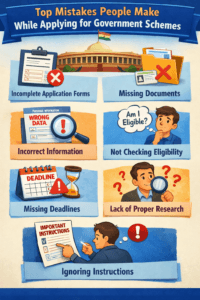
Top Mistakes People Make While Applying for Government Schemes
Government schemes are designed to improve the quality of life for citizens by offering financial support, healthcare benefits, housing assistance, education subsidies, and more. In countries like India, there are hundreds of schemes launched at central and state levels, targeting different sections of society—farmers, women, students, senior citizens, and economically weaker groups.
However, despite the availability of these schemes, many eligible people fail to receive the benefits. The reason is not always a lack of awareness—often, it’s simple mistakes made during the application process.
Understanding these mistakes can save time, reduce frustration, and increase your chances of approval. Let’s explore the most common errors people make while applying for government schemes and how to avoid them.
Yet don’t have an idea about Top 10 Central Government Schemes Every Indian Should Know in 2025
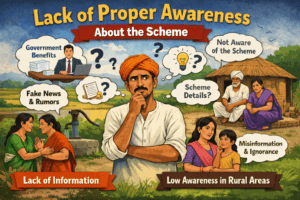
1. Lack of Proper Awareness About the Scheme
One of the most common mistakes is applying without fully understanding the scheme. Many people rely on hearsay or incomplete information from friends, relatives, or social media.
Why this is a problem:
- Each scheme has specific eligibility criteria
- Benefits vary depending on income, category, and location
- Some schemes are state-specific
Example:
A person may apply for a farmer subsidy scheme without actually owning agricultural land, leading to rejection.
How to avoid it:
- Always refer to official government websites
- Read the guidelines carefully
- Verify eligibility before applying
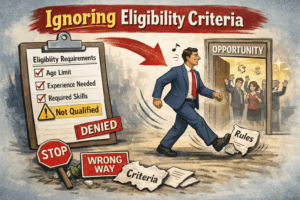
2. Ignoring Eligibility Criteria
Many applicants assume they qualify without checking the eligibility conditions in detail. This leads to unnecessary rejections.
Common eligibility factors:
- Income level
- Age group
- Occupation
- Category (SC/ST/OBC/General)
- Residential status
Example:
Applying for a Below Poverty Line (BPL) scheme when your income exceeds the limit.
Tip:
Before applying, make a checklist of eligibility requirements and match them with your documents.
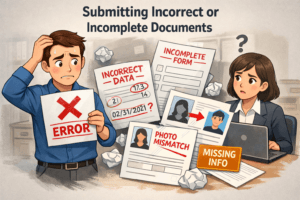
3. Submitting Incorrect or Incomplete Documents
Documentation plays a crucial role in the approval process. Missing or incorrect documents are among the top reasons for application rejection.
Common document issues:
- Mismatched names across documents
- Expired certificates
- Missing mandatory documents
- Uploading unclear or blurred copies
Example:
Uploading an old income certificate that is no longer valid.
How to fix:
- Keep all documents updated
- Scan documents clearly
- Double-check uploads before submission
4. Providing Wrong Information
Even small errors in the application form can lead to rejection or delays.
Common mistakes:
- Typographical errors in name or address
- Incorrect Aadhaar or bank details
- Wrong income declaration
Consequences:
- Application rejection
- Delay in processing
- Legal issues in some cases
Tip:
Always review your form multiple times before submitting.

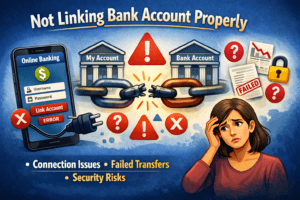
5. Not Linking Bank Account Properly
Many government schemes transfer benefits directly to bank accounts through Direct Benefit Transfer (DBT). If your bank account is not properly linked, you won’t receive the benefits.
Common issues:
- Bank account not linked with Aadhaar
- Incorrect account number or IFSC code
- Inactive bank account
Solution:
- Ensure Aadhaar-bank linking is complete
- Use an active account
- Verify details carefully
6. Missing Application Deadlines
Government schemes often have strict deadlines. Missing them means losing the opportunity altogether.
Why it happens:
- Lack of awareness
- Procrastination
- Confusion about dates
Tip:
- Keep track of deadlines
- Set reminders
- Apply early to avoid last-minute issues
7. Not Following the Application Process Properly
Each scheme has a specific process—online, offline, or both. Skipping steps or following the wrong process can lead to rejection.
Common mistakes:
- Submitting forms to the wrong department
- Not completing all required steps
- Ignoring verification processes
Example:
Failing to complete biometric verification when required.
Solution:
Follow the official step-by-step process carefully.

8. Relying on Unauthorized Agents
Many people depend on middlemen or agents to apply for schemes. While some may help, others may mislead or charge unnecessary fees.
Risks:
- Fraud
- Incorrect applications
- Loss of money
Tip:
- Use official portals only
- Avoid paying high fees to agents
- Seek help from government help centers if needed

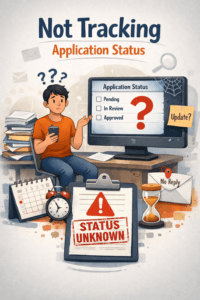
9. Not Tracking Application Status
After applying, many people forget to check the status of their application.
Why this matters:
- You may need to provide additional documents
- Applications may get rejected due to missing information
- Delays can be avoided with timely action
Solution:
- Regularly check status online
- Respond quickly to any updates
10. Ignoring Scheme Updates and Changes
Government schemes are often updated—eligibility criteria, benefits, and processes may change.
Problem:
You may apply based on outdated information.
Tip:
- Stay updated through official sources
- Follow government portals and news updates
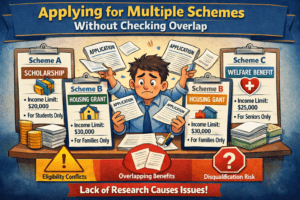
11. Applying for Multiple Schemes Without Checking Overlap
Some schemes do not allow beneficiaries to receive similar benefits from multiple sources.
Example:
Receiving housing benefits from two different schemes may not be allowed.
Tip:
- Check if schemes overlap
- Ensure compliance with rules
12. Poor Internet or Technical Errors
Online applications can sometimes fail due to technical issues.
Common problems:
- Website crashes
- Slow internet connection
- Incomplete submissions
Tip:
- Use a stable internet connection
- Save your progress frequently
- Take screenshots for proof

13. Not Keeping Copies of Submitted Applications
Many applicants don’t keep records of their application.
Why this is important:
- Useful for tracking
- Required for follow-ups
- Helps in case of disputes
Tip:
Always download or print your application receipt.

14. Lack of Patience During Processing
Government processes can take time. Many applicants panic or assume rejection if there is a delay.
Reality:
- Verification takes time
- High number of applications causes delays
Tip:
- Be patient
- Check status periodically instead of reapplying unnecessarily
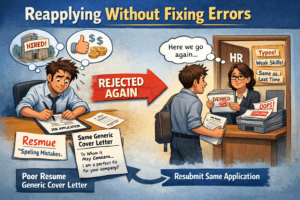
15. Reapplying Without Fixing Errors
Some people reapply after rejection without correcting previous mistakes.
Result:
Repeated rejection
Solution:
- Understand the reason for rejection
- Fix the issue before reapplying
Conclusion
Government schemes are powerful tools for improving livelihoods, but accessing their benefits requires careful attention to detail. Most rejections and delays are not due to ineligibility but simple, avoidable mistakes.
By staying informed, preparing documents carefully, following the correct process, and avoiding shortcuts, you can significantly improve your chances of approval.
In today’s digital age, applying for government schemes has become easier than ever—but only if done correctly. Take your time, double-check everything, and rely only on authentic sources.
A little effort can ensure that you receive the benefits you rightfully deserve.