Government Schemes Available for Rural Development in India
India lives in its villages. Even today, a large part of the country’s population resides in rural areas, and their development is crucial for the nation’s overall growth. Recognizing this, the Government of India has launched numerous schemes over the years aimed at improving rural infrastructure, livelihoods, healthcare, education, and social security.
Rural development is not just about building roads or providing employment—it is about transforming lives by ensuring access to opportunities, resources, and basic amenities. This article explores the major government schemes available for rural development in India, their objectives, benefits, and impact on society.
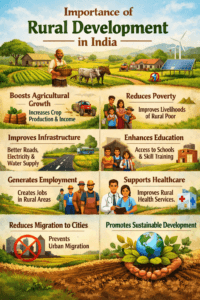
Importance of Rural Development in India
Rural development plays a vital role in reducing poverty, improving living standards, and ensuring balanced economic growth. Around 65–70% of India’s population still lives in rural areas, making it essential to focus on:
- Employment generation
- Agricultural development
- Infrastructure growth
- Education and healthcare access
- Women empowerment
- Financial inclusion
Without rural development, urban areas would face excessive migration, unemployment, and pressure on infrastructure.
Major Government Schemes for Rural Development
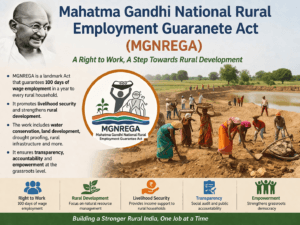
1. Mahatma Gandhi National Rural Employment Guarantee Act (MGNREGA)
MGNREGA is one of the most important schemes for rural employment. It guarantees at least 100 days of wage employment per year to rural households.
Key Features:
- Provides unskilled manual work
- Ensures livelihood security
- Promotes rural asset creation (roads, ponds, canals)
- Reduces migration to cities
Impact:
MGNREGA has significantly improved income levels in rural areas and empowered marginalized communities, especially women.
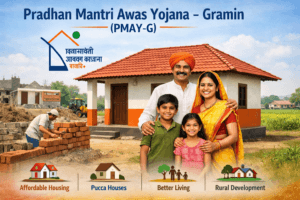
2. Pradhan Mantri Awas Yojana – Gramin (PMAY-G)
This scheme aims to provide affordable housing to the rural poor.
Key Features:
- Financial assistance for constructing houses
- Focus on homeless and kutcha house dwellers
- Use of eco-friendly construction methods
- Direct benefit transfer to beneficiaries
Impact:
Millions of rural families now have access to permanent housing, improving their quality of life and safety.
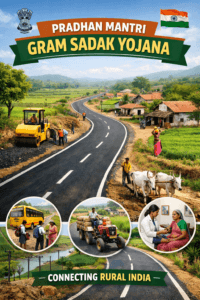
3. Pradhan Mantri Gram Sadak Yojana (PMGSY)
PMGSY focuses on improving rural connectivity by constructing all-weather roads.
Key Features:
- Connects remote villages to cities and towns
- Boosts transportation and communication
- Facilitates access to education and healthcare
Impact:
Improved connectivity has enhanced economic opportunities and reduced isolation in rural regions.
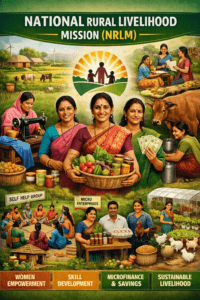
4. National Rural Livelihood Mission (NRLM)
Also known as Aajeevika, NRLM aims to reduce poverty by promoting self-employment and the organization of rural poor into Self Help Groups (SHGs).
Key Features:
- Skill development programs
- Financial assistance through SHGs
- Women empowerment initiatives
- Entrepreneurship promotion
Impact:
NRLM has helped millions of women become financially independent and self-reliant.
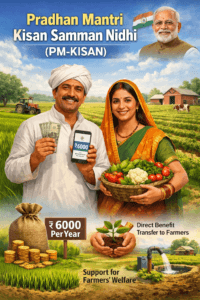
5. Pradhan Mantri Kisan Samman Nidhi (PM-KISAN)
This scheme provides financial support to farmers.
Key Features:
- ₹6,000 per year given to eligible farmers
- Direct transfer to bank accounts
- Helps in purchasing seeds, fertilizers, and equipment
Impact:
It has reduced financial stress among farmers and supported agricultural productivity.
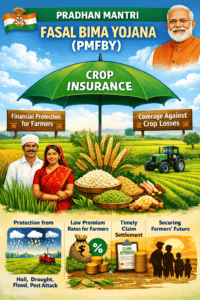
6. Pradhan Mantri Fasal Bima Yojana (PMFBY)
This crop insurance scheme protects farmers against losses due to natural calamities.
Key Features:
- Low premium rates
- Coverage for crop failure
- Quick claim settlement
Impact:
Farmers gain financial security and confidence to invest in better farming practices.
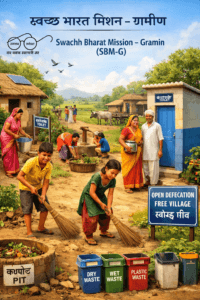
7. Swachh Bharat Mission – Gramin (SBM-G)
This scheme focuses on improving sanitation in rural areas.
Key Features:
- Construction of household toilets
- Promotion of cleanliness and hygiene
- Elimination of open defecation
Impact:
It has improved health conditions and dignity, especially for women.
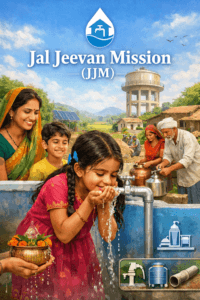
8. Jal Jeevan Mission (JJM)
The mission aims to provide clean drinking water to every rural household.
Key Features:
- Tap water connections to homes
- Safe and potable water supply
- Community participation
Impact:
Reduced water-related diseases and saved time for women who previously traveled long distances for water.
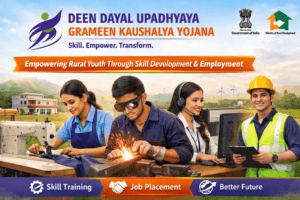
9. Deen Dayal Upadhyaya Grameen Kaushalya Yojana (DDU-GKY)
This scheme focuses on skill development and employment for rural youth.
Key Features:
- Skill training programs
- Job placement support
- Focus on poor rural youth
Impact:
It has created employment opportunities and reduced rural unemployment.
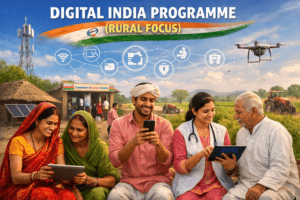
10. Digital India Programme (Rural Focus)
Digital India aims to bridge the digital divide between urban and rural areas.
Key Features:
- Internet connectivity in villages
- Digital literacy programs
- Access to online government services
Impact:
Rural citizens can now access services like banking, education, and healthcare online.
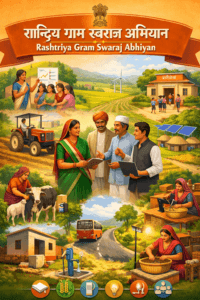
11. Rashtriya Gram Swaraj Abhiyan (RGSA)
This scheme strengthens local governance in rural areas.
Key Features:
- Training for Panchayati Raj institutions
- Better planning and implementation of schemes
- Empowerment of local bodies
Impact:
Improved transparency and efficiency in rural administration.
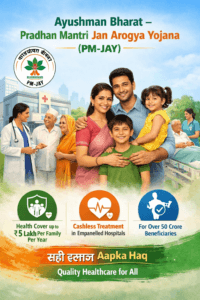
12. Ayushman Bharat – Pradhan Mantri Jan Arogya Yojana (PM-JAY)
This health insurance scheme benefits rural and economically weaker sections.
Key Features:
- ₹5 lakh health coverage per family
- Cashless treatment in hospitals
- Covers major medical procedures
Impact:
Reduced financial burden of healthcare and improved access to medical services.
Role of Women in Rural Development Schemes
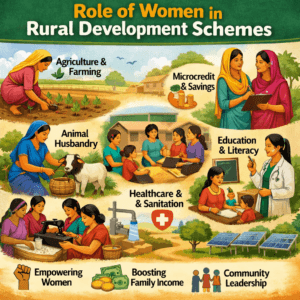
Women play a crucial role in rural development. Many schemes specifically focus on empowering women through:
- Self Help Groups (SHGs)
- Skill training programs
- Financial inclusion initiatives
- Entrepreneurship support
Programs like NRLM and PMAY-G ensure women are co-owners of assets, promoting gender equality.
Challenges in Implementation
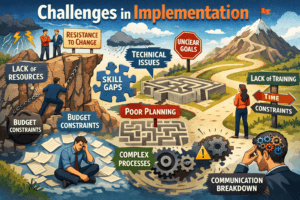
Despite the success of these schemes, several challenges remain:
- Lack of awareness among beneficiaries
- Delays in fund disbursement
- Corruption and leakages
- Poor infrastructure in remote areas
- Digital illiteracy
Addressing these issues is essential for maximizing the impact of government programs.
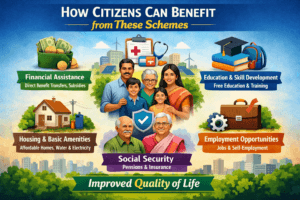
How Citizens Can Benefit from These Schemes
To take advantage of rural development schemes, individuals should:
- Stay informed through official government portals
- Register for schemes via local पंचायत offices
- Link Aadhaar and bank accounts
- Participate in community programs
- Seek help from Common Service Centers (CSCs)
Awareness and proper documentation are key to accessing benefits.
Future of Rural Development in India
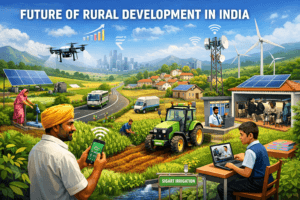
The future of rural development lies in
- Digital transformation
- Sustainable agriculture
- Renewable energy initiatives
- Smart villages
- Skill-based employment
The government is increasingly focusing on technology-driven solutions to improve efficiency and reach.
Conclusion
Government schemes for rural development in India have played a significant role in improving the lives of millions. From employment generation to housing, healthcare, and infrastructure, these initiatives aim to create a self-reliant and empowered rural population.
However, the success of these schemes depends not only on government efforts but also on awareness and participation by citizens. With continuous improvements and proper implementation, rural India can become a strong pillar of the nation’s growth.
2 thoughts on “Government Schemes Available for Rural Development in India”