Top Government Apps Every Citizen Should Use in 2026
In today’s digital era, the government is no longer limited to offices, paperwork, and long queues. With the rapid expansion of digital services in India, many essential public services are now available directly on your smartphone. From managing identity documents to accessing welfare schemes and making secure payments, government apps have made life significantly easier for citizens.
As we step into 2026, these apps are becoming more powerful, user-friendly, and essential for everyday life. Whether you are a student, a working professional, or a senior citizen, having the right government apps can save time, reduce hassle, and ensure you don’t miss out on important benefits.
Let’s explore the top government apps every citizen should use in 2026.
Here is what you want: Government Schemes Available for Rural Development in India
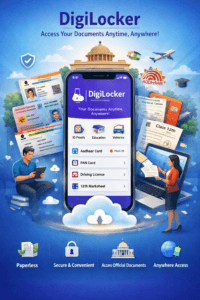
1. DigiLocker
DigiLocker is one of the most important digital initiatives by the Government of India. It allows citizens to store and access official documents digitally in a secure cloud-based platform.
Key Features:
- Store Aadhaar, PAN, Driving License, RC, and educational certificates
- Legally valid digital documents
- Easy sharing with government agencies
- Reduces the need for physical documents
Why You Should Use It:
In 2026, carrying physical documents is becoming outdated. DigiLocker ensures that all your important papers are available anytime, anywhere. It is especially useful during travel, job applications, and verification processes.
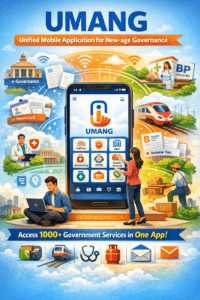
2. UMANG (Unified Mobile Application for New-age Governance)
UMANG is a one-stop solution for accessing multiple government services through a single app.
Key Features:
- Access to 1000+ services from central and state governments
- Services include EPFO, PAN, Aadhaar, gas booking, pension services
- Available in multiple languages
Why You Should Use It:
Instead of downloading multiple apps, UMANG brings everything together in one place. It simplifies access to services and saves both time and storage space on your phone.
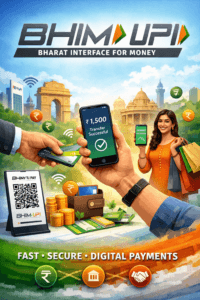
3. BHIM UPI
BHIM (Bharat Interface for Money) is a government-backed digital payment app based on the Unified Payments Interface (UPI).
Key Features:
- Instant money transfer between bank accounts
- QR code payments
- Supports multiple banks
- Secure and easy to use
Why You Should Use It:
With digital payments becoming the norm, BHIM provides a reliable and secure platform backed by the government. It is especially useful for everyday transactions without needing cash.
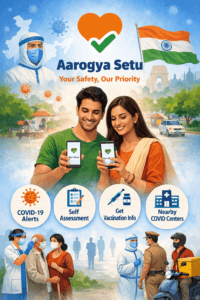
4. Aarogya Setu
Initially launched during the pandemic, Aarogya Setu has evolved into a comprehensive health app.
Key Features:
- Health records management
- Vaccination certificates
- Health alerts and updates
- Integration with national health systems
Why You Should Use It:
In 2026, digital health tracking is crucial. Aarogya Setu helps citizens stay informed about their health and access important medical information quickly.
5. mAadhaar
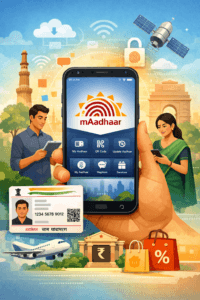
mAadhaar is the official app for managing Aadhaar information.
Key Features:
- Carry Aadhaar digitally
- Update personal details
- Download and share Aadhaar
- Biometric locking/unlocking
Why You Should Use It:
Aadhaar is essential for almost all government services. mAadhaar ensures you always have access to your Aadhaar securely without carrying a physical copy.
6. MyGov
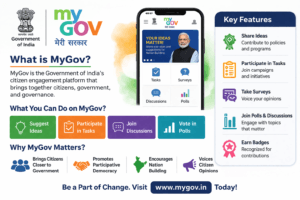
MyGov is a citizen engagement platform that connects people with the government.
Key Features:
- Participate in polls and surveys
- Share ideas and suggestions
- Get updates on government initiatives
- Engage in discussions
Why You Should Use It:
This app allows citizens to actively participate in governance. It gives you a voice and keeps you informed about policy changes and initiatives.
7. mParivahan
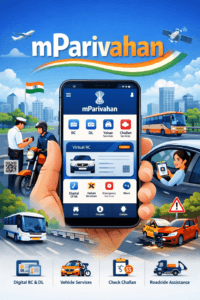
mParivahan is developed by the Ministry of Road Transport and Highways for vehicle-related services.
Key Features:
- Digital Driving License and RC
- Vehicle information lookup
- Traffic rules and services
- Integration with DigiLocker
Why You Should Use It:
You no longer need to carry physical vehicle documents. This app is especially helpful during traffic checks and vehicle-related queries.
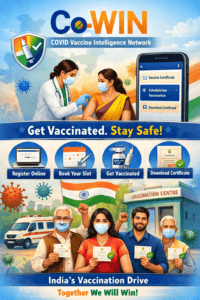
8. CoWIN
CoWIN remains a crucial platform for vaccination and health records management.
Key Features:
- Book vaccination slots
- Download vaccination certificates
- Manage family members’ records
- Integration with health services
Why You Should Use It:
Even beyond COVID-19, CoWIN has become a central vaccination record system, making it important for future healthcare needs.
9. PM Kisan App
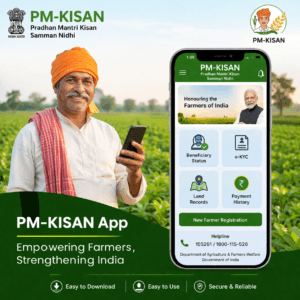
This app is specifically designed for farmers under the PM-KISAN scheme.
Key Features:
- Check payment status
- Register for the scheme
- Update Aadhaar details
- Get scheme-related updates
Why You Should Use It:
Farmers can easily track financial assistance and ensure timely payments without visiting government offices.
10. eShram App
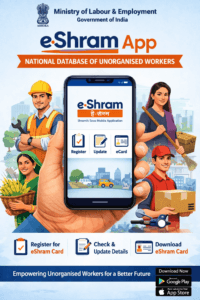
The eShram app supports unorganized sector workers.
Key Features:
- Register for eShram card
- Access social security benefits
- Track welfare schemes
- Update personal details
Why You Should Use It:
Millions of workers benefit from this app by gaining access to government schemes and financial support.
11. National Scholarship Portal (NSP) App
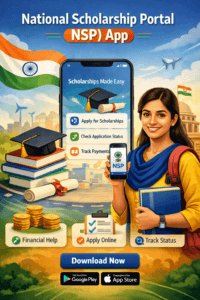
This app is essential for students seeking scholarships.
Key Features:
- Apply for multiple scholarships
- Track application status
- Receive updates and notifications
- Transparent process
Why You Should Use It:
Students can avoid middlemen and apply directly for scholarships, ensuring fairness and transparency.
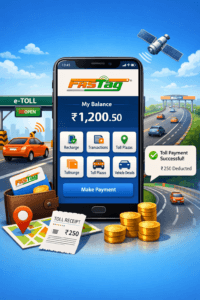
12. FASTag App
FASTag apps help manage toll payments on highways.
Key Features:
- Recharge FASTag
- Track transactions
- View balance and statements
- Easy toll payments
Why You Should Use It:
With mandatory FASTag usage, this app helps drivers manage toll payments efficiently and avoid delays.
Benefits of Using Government Apps
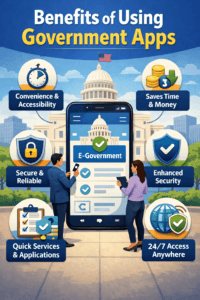
Using these apps offers several advantages:
1. Convenience
Access services anytime without visiting government offices.
2. Transparency
Track applications, payments, and benefits in real-time.
3. Time-Saving
Avoid long queues and paperwork.
4. Security
Government-backed apps ensure data safety and authenticity.
5. Financial Inclusion
Helps citizens receive benefits directly through DBT (Direct Benefit Transfer).
Tips for Using Government Apps Safely
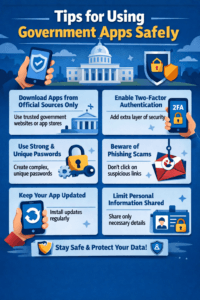
While these apps are secure, users should follow basic precautions:
- Download apps only from official app stores
- Avoid sharing OTPs or personal information
- Use strong passwords and biometric locks
- Keep apps updated regularly
- Verify official sources before trusting any information
The Future of Government Apps in India
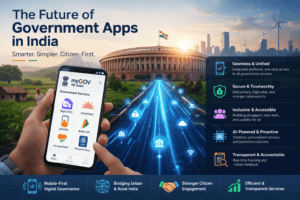
By 2026, government apps are expected to become even more advanced. Integration of AI, multilingual support, and improved user interfaces will make them accessible to a wider audience. Rural areas will benefit significantly as digital literacy increases and internet connectivity improves.
The government is also focusing on a “Digital India” vision where all services are available online, reducing corruption and increasing efficiency.
Conclusion
Government apps have transformed the way citizens interact with public services. What once required multiple visits to government offices can now be done within minutes on a smartphone. From managing identity documents to accessing financial benefits and healthcare services, these apps play a crucial role in everyday life.
In 2026, staying digitally connected with government platforms is not just convenient—it’s essential. By using these apps, citizens can save time, stay informed, and make the most of the benefits provided by the government.