How to Receive Direct Benefit Transfer (DBT) Payments Without Errors
Direct Benefit Transfer (DBT) has transformed the way government subsidies and benefits reach citizens in India. By transferring funds directly into beneficiaries’ bank accounts, DBT eliminates middlemen, reduces corruption, and ensures transparency. However, many people still face issues such as delayed payments, failed transactions, or incorrect transfers.
If you want to receive your DBT payments smoothly and without errors, it’s important to understand the system, follow the correct steps, and avoid common mistakes. This guide explains everything in a clear and practical way.
Want to know about Government Subsidies You Didn’t Know You Can Claim
What is Direct Benefit Transfer (DBT)?
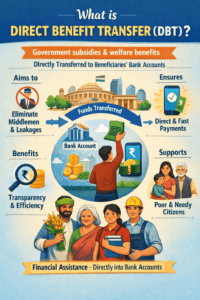
Direct Benefit Transfer (DBT) is a system introduced by the Government of India to transfer subsidies and benefits directly into the bank accounts of eligible beneficiaries.
Key Features of DBT:
- Direct transfer of funds to bank accounts
- Reduction in fraud and leakage
- Faster delivery of benefits
- Transparency and accountability
Examples of DBT Schemes:
- PM Kisan Samman Nidhi
- LPG Subsidy (PAHAL Scheme)
- Scholarships
- Pension Schemes
- MGNREGA Wage Payments
- PM Awas Yojana
Why Errors Occur in DBT Payments
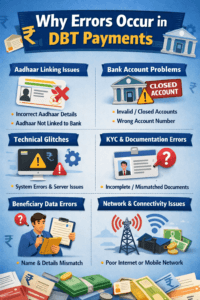
Despite being a robust system, DBT payments can sometimes fail or get delayed. Understanding the reasons helps you prevent issues.
Common Causes:
- Incorrect Aadhaar linkage
- Inactive or closed bank accounts
- Mismatch in personal details
- Bank account not seeded with NPCI
- Multiple bank accounts linked to Aadhaar
- Technical or server issues
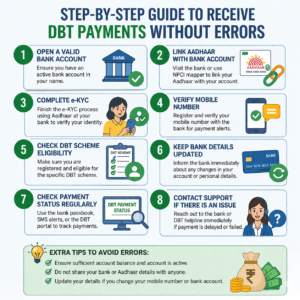
Step-by-Step Guide to Receive DBT Payments Without Errors
1. Link Your Aadhaar with Bank Account
Aadhaar linking is the backbone of DBT.
How to do it:
- Visit your bank branch
- Use ATM or internet banking (if available)
- Submit Aadhaar linking form
Important Tip:
Ensure that your Aadhaar is linked to only one primary bank account for DBT.
2. Check NPCI Mapping Status
NPCI (National Payments Corporation of India) mapping ensures that your Aadhaar is correctly linked for DBT transfers.
How to check:
- Visit UIDAI website
- Use Aadhaar-enabled services at bank or CSC
- Ask your bank to confirm NPCI seeding
Why it matters:
Even if Aadhaar is linked, DBT may fail if NPCI mapping is not active.
3. Keep Your Bank Account Active
Inactive or dormant accounts are one of the biggest reasons for failed DBT payments.
What you should do:
- Make regular transactions
- Maintain minimum balance (if required)
- Update KYC details
4. Ensure Correct Personal Details
Your details must match across all systems.
Check for:
- Name spelling (same in Aadhaar and bank)
- Date of birth
- Gender
Even small mismatches can lead to payment failure.
5. Complete Your KYC (Know Your Customer)
Banks require KYC to keep accounts active and eligible for DBT.
Required documents:
- Aadhaar card
- PAN card (if available)
- Address proof
Incomplete KYC can block DBT payments.
6. Register for the Correct Scheme
You must be properly enrolled in the scheme you are applying for.
Example:
- PM Kisan requires land ownership details
- Scholarships require student verification
Incorrect or incomplete applications can delay payments.
7. Avoid Multiple Bank Accounts Confusion
If you have multiple accounts linked with Aadhaar, DBT may go to a different account than expected.
Best practice:
- Choose one primary account
- Ask bank to set it as default for DBT
8. Regularly Check DBT Payment Status
Monitoring your DBT status helps detect issues early.
Where to check:
- PFMS (Public Financial Management System) portal
- Scheme-specific websites
- Bank SMS alerts
Common Problems in DBT and How to Fix Them
1. Payment Failed
Reason: Aadhaar not linked or incorrect
Solution: Re-link Aadhaar and update details
2. Payment Sent but Not Received
Reason: Wrong bank account or inactive account
Solution: Check NPCI mapping and activate the account.
3. Delayed Payment
Reason: Verification pending or system delay
Solution: Wait and track status online
4. Amount Not Credited Fully
Reason: Deduction or incorrect scheme data
Solution: Contact scheme authority
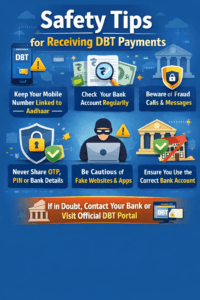
Safety Tips for Receiving DBT Payments
- Never share OTP or bank details
- Use only official websites and portals
- Avoid agents or middlemen
- Check SMS alerts regularly
- Keep your mobile number updated
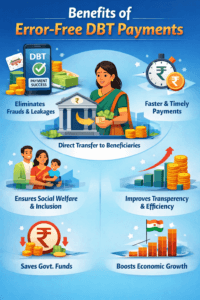
Benefits of Error-Free DBT Payments
Receiving DBT payments correctly offers many advantages:
- Quick access to funds
- No corruption or middlemen
- Transparent transactions
- Financial inclusion
- Better government service delivery
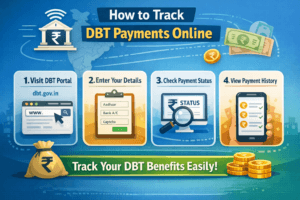
How to Track DBT Payments Online
Using PFMS Portal:
- Visit PFMS website
- Click on “Know Your Payments.”
- Enter bank/account details
- View payment status
Using Bank:
- Check bank statement
- Use mobile banking app
- Visit bank branch
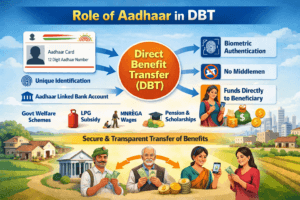
Role of Aadhaar in DBT
Aadhaar plays a crucial role in ensuring that benefits reach the right person.
Benefits:
- Unique identification
- Eliminates duplication
- Enables direct transfer
However, Aadhaar must be correctly linked and verified.
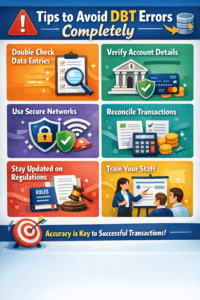
Tips to Avoid DBT Errors Completely
- Double-check all details before submitting forms
- Update Aadhaar and bank details regularly
- Keep documents ready and verified
- Use only one active bank account for DBT
- Stay informed about scheme requirements
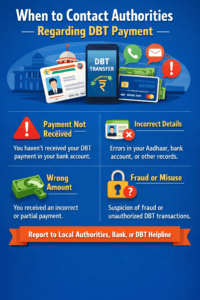
When to Contact Authorities
If your DBT payment is not received even after following all steps:
Contact:
- Bank customer care
- Scheme helpline
- Local government office
- Common Service Center (CSC)
Always keep:
- Aadhaar number
- Bank details
- Application ID
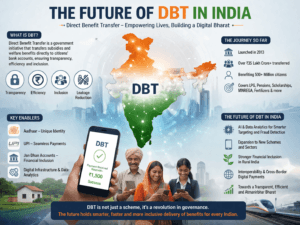
Future of DBT in India
The DBT system is continuously improving with digital advancements.
Upcoming Improvements:
- Faster transactions
- Better tracking systems
- Integration with mobile apps
- Increased coverage of schemes
DBT is expected to become even more efficient and error-free in the coming years.
Conclusion
Receiving Direct Benefit Transfer (DBT) payments without errors is not difficult if you follow the correct steps. Most issues arise due to simple mistakes like incorrect details, inactive accounts, or incomplete linking.
By ensuring Aadhaar linkage, keeping your bank account active, completing KYC, and regularly checking your payment status, you can avoid almost all common problems.
DBT is a powerful initiative that brings transparency and efficiency to government welfare schemes. With proper awareness and a little attention to detail, you can fully benefit from it without facing any payment issues.