Lakhpati Didi Scheme 2.0: A Step-by-Step Guide for Women Entrepreneurs in 2026
Women-led entrepreneurship is becoming one of the strongest forces driving India’s economic growth. Across villages, small towns, and cities, women are building businesses in tailoring, food processing, dairy farming, handicrafts, digital services, and many other sectors. To accelerate this transformation, the Government of India has strengthened its support for women through the Lakhpati Didi initiative, often discussed as an expanded push in recent years to help women in Self-Help Groups (SHGs) increase sustainable income.
If you are a woman entrepreneur or planning to start a small business in 2026, understanding how this initiative works can help you access training, credit support, skill development, and business opportunities. This guide explains the scheme in a clear step-by-step format.
Want to know about Free Scooty & Bicycle Schemes for girls—a state-wise list?
What Is the Lakhpati Didi Scheme?
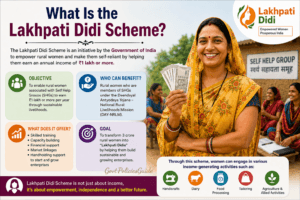
The Lakhpati Didi initiative is a government effort focused on helping women, especially those associated with Self-Help Groups (SHGs), achieve an annual household income of ₹1 lakh or more through entrepreneurship and livelihood activities.
The program emphasizes:
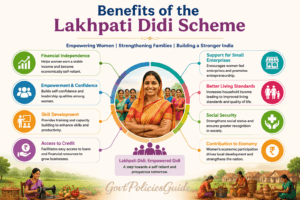
- Financial empowerment for women
- Skill development and vocational training
- Business mentorship
- Access to affordable loans
- Market linkages for products and services
- Digital and financial literacy
The larger objective is to create economically independent women entrepreneurs who can contribute to family income and local economic development.
What Does “2.0” Mean in 2026?
The phrase “Lakhpati Didi Scheme 2.0” is commonly used to describe the expanded focus on scaling women entrepreneurship through enhanced implementation, wider outreach, stronger training systems, and improved credit access.
In 2026, the initiative is expected to remain closely linked with:
- National Rural Livelihoods Mission (NRLM)
- Self-Help Group empowerment programs
- Skill development initiatives
- Financial inclusion schemes
- Entrepreneurship support programs
The emphasis is shifting from basic livelihood support to income growth, enterprise scaling, and sustainability.

Who Can Benefit?
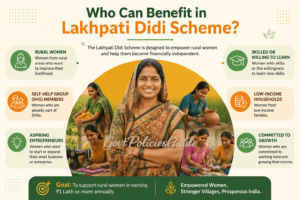
The scheme primarily supports women who meet certain criteria.
Eligible groups may include:
- Women who are members of Self-Help Groups
- Rural women entrepreneurs
- Women involved in micro-enterprises
- Women from economically weaker backgrounds
- Women interested in starting income-generating activities
- Women seeking skill training and financial support
Eligibility can vary depending on state implementation and associated programs.
Benefits of the Scheme
The initiative offers practical support rather than just financial promises.
1. Skill Development Training
Women can receive training in areas such as:
- Tailoring and garment making
- Food processing
- Dairy and livestock management
- Beauty and wellness services
- Handicrafts
- Digital services
- Retail business operations
- Packaging and branding
This helps women build sustainable business skills.
2. Financial Assistance and Credit Support
Access to affordable financing is one of the biggest advantages.
Possible support includes:
- SHG-linked bank loans
- Microcredit support
- Subsidized financing (depending on implementation)
- Enterprise funding pathways
This enables women to buy equipment and raw materials or expand operations.
3. Business Guidance
Many women know a skill but lack business knowledge.
Support may include:
- Pricing guidance
- Marketing support
- Inventory management
- Customer handling
- Record keeping
4. Digital Literacy
Modern entrepreneurship requires digital knowledge.
Women may receive support for:
- UPI payments
- Online banking
- Digital bookkeeping
- Social media promotion
- E-commerce basics
5. Market Linkages
Creating products is not enough—selling them matters.
Support may help women connect with:
- Local markets
- Government exhibitions
- Buyer networks
- Community sales channels
- Online platforms
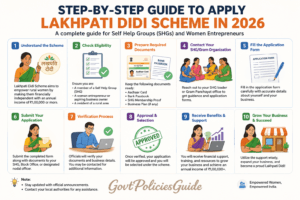
Step-by-Step Guide to Apply in 2026
Step 1: Check Whether You Are Part of an SHG
The initiative is strongly connected to self-help groups.
If you are already a member:
You may be eligible through your existing network.
If not:
Contact your local:
- Gram Panchayat
- Rural development office
- Block office
- Women welfare department
- SHG coordinator
Joining an SHG may be the first step.
Step 2: Identify Your Business Interest
Choose a practical business idea based on:
Your skills:
- Cooking
- Stitching
- Craft making
- Dairy work
- Agriculture support
Local demand:
- Snacks
- Uniform stitching
- Beauty services
- Milk products
- Grocery support
Resources available:
- Space
- Equipment
- Time
- Family support
Step 3: Attend Training Programs
Training is often required before enterprise support.
Programs may cover:
- Product development
- Financial management
- Business planning
- Customer service
- Digital transactions
Complete all required sessions.
Step 4: Prepare Basic Documents
Common documents may include:
- Aadhaar card
- PAN card (if required)
- Bank account details
- SHG membership details
- Mobile number
- Income proof
- Address proof
- Passport photo
Keep originals and photocopies ready.
Step 5: Meet Local Implementation Authorities
Visit relevant offices such as:
- Rural livelihood mission office
- Block development office
- SHG federation office
- District women empowerment office
Ask about:
- Current registration process
- Loan assistance
- Skill training availability
- Application deadlines
Step 6: Submit Application
Application methods may vary.
You may need to:
- Fill an offline form
- Apply through district channels
- Register through SHG networks
- Complete verification steps
Double-check details before submission.
Step 7: Verification Process
Authorities may verify:
- Identity
- SHG participation
- Income category
- Business proposal
- Training eligibility
Respond quickly if additional documents are requested.
Step 8: Access Credit Support
Once approved, financing options may open.
Use funds responsibly for:
- Equipment purchase
- Raw materials
- Product packaging
- Business setup
- Initial inventory
Avoid non-business spending.
Step 9: Start Small but Smart
Many successful businesses begin modestly.
Examples:
Tailoring:
Start with local blouse stitching before scaling.
Food business:
Begin with homemade pickles or snacks.
Dairy:
Expand milk production gradually.
Beauty services:
Offer home-based services first.
Step 10: Track Your Income Growth
Maintain simple records.
Track:
- Daily sales
- Monthly profit
- Expenses
- Customer count
- Loan repayments
This helps measure progress toward the lakh-income goal.
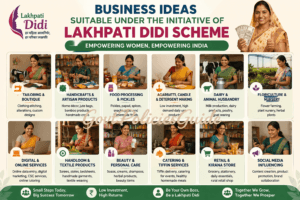
Business Ideas Suitable Under the Initiative
Women can explore practical low-investment businesses.
Popular options:
Food Processing
Examples:
- Papad making
- Pickles
- Spice powder
- Homemade snacks
Tailoring
Examples:
- School uniforms
- Alterations
- Boutique stitching
Dairy
Examples:
- Milk sales
- Curd
- Ghee production
Handicrafts
Examples:
- Decorative items
- Handmade gifts
- Festival products
Beauty Services
Examples:
- Bridal makeup
- Basic salon work
- Home beauty visits
Agriculture Allied Activities
Examples:
- Mushroom cultivation
- Poultry
- Goat rearing
Digital Services
Examples:
- Online form filling
- Printing support
- Digital payments assistance
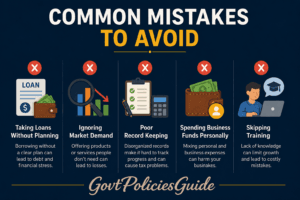
Common Mistakes to Avoid
Taking Loans Without Planning
Borrow only when the business model is clear.
Ignoring Market Demand
A product must solve a real customer need.
Poor Record Keeping
Without records, growth becomes difficult.
Spending Business Funds Personally
Separate personal and business finances.
Skipping Training
Training improves success chances significantly.
Tips to Become a Successful Lakhpati Entrepreneur
Focus on Repeat Customers
Happy customers create steady income.
Improve Product Quality
Better quality builds reputation.
Learn Basic Marketing
Simple promotion can increase sales.
Examples:
- WhatsApp promotion
- Local referrals
- Community groups
Reinvest Profits
Use earnings to grow operations.
Stay Digitally Active
Digital payments increase customer trust.

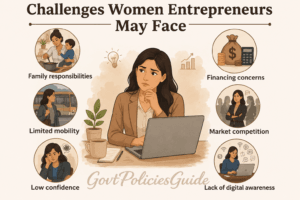
Challenges Women Entrepreneurs May Face
Common barriers include:
- Family responsibilities
- Limited mobility
- Low confidence
- Financing concerns
- Market competition
- Lack of digital awareness
These can be addressed through training, support groups, and gradual growth.
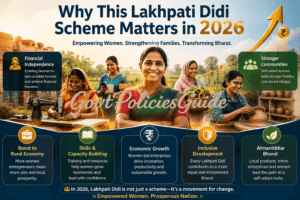
Why This Initiative Matters in 2026
India’s economic future depends heavily on inclusive entrepreneurship.
Women-led businesses create:
- Family income security
- Local employment
- Community growth
- Financial independence
- Social empowerment
The Lakhpati Didi mission supports this transformation.
Final Thoughts
The Lakhpati Didi Scheme 2.0 in 2026 represents a major opportunity for women who want financial independence through entrepreneurship. Whether your goal is to start a tailoring business, expand dairy operations, launch a food enterprise, or offer digital services, the initiative can provide meaningful support.
Success depends on choosing the right business, completing training, using credit wisely, and staying consistent.
The path to becoming a “Lakhpati Didi” is not only about earning more—it is about building confidence, creating opportunities, and transforming lives.