
Apprenticeship Schemes by Government – Full Guide
Apprenticeship schemes have become one of the most effective ways for young people to gain practical skills while earning a stipend. In India, the government has introduced several apprenticeship programs to bridge the gap between education and employment. These schemes are especially beneficial for students, fresh graduates, and job seekers who want real-world experience before entering the workforce.
This comprehensive guide explains everything you need to know about government apprenticeship schemes, including their benefits, eligibility criteria, types, application process, and future scope.
What is an apprenticeship?
An apprenticeship is a structured training program where a candidate works with an employer for a fixed period while learning specific skills related to a trade or profession. Unlike traditional education, apprenticeships focus more on hands-on experience.
In India, apprenticeships are governed under the Apprentices Act, 1961, which ensures proper training standards and protection for both employers and trainees.
Here is what you want: government free training programs for Job Seekers in India

Why Government Apprenticeship Schemes Matter
Government apprenticeship schemes play a crucial role in addressing unemployment and skill gaps. Many students graduate without industry-ready skills, making it difficult to secure jobs. Apprenticeships solve this problem by providing practical exposure.
These programs help:
- Improve employability
- Provide industry-relevant skills
- Offer earning opportunities during training
- Reduce the gap between education and job requirements

Want to know about the top 10 Central Government Schemes Every Indian Should Know in 2025
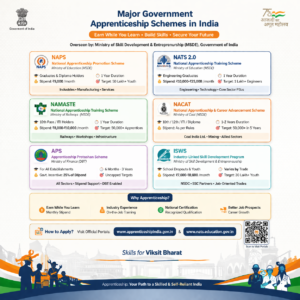
Major Government Apprenticeship Schemes in India
1. National Apprenticeship Promotion Scheme (NAPS)
The National Apprenticeship Promotion Scheme is one of the most popular initiatives by the Government of India. It encourages employers to hire apprentices by providing financial incentives.
Key Features:
- Government shares stipend costs
- Basic training support
- Available across multiple sectors
Target Audience:
- Freshers
- School/college dropouts
- ITI graduates
2. National Apprenticeship Training Scheme (NATS)
NATS is designed mainly for students with technical qualifications such as diplomas and engineering degrees.
Key Features:
- Practical training in industries
- Monthly stipend support
- Certification after completion
Fields Covered:
- Engineering
- Technology
- Management
3. PM National Apprenticeship Mela
The government organizes apprenticeship fairs across the country where employers and candidates connect directly.
Benefits:
- On-the-spot registration
- Immediate job opportunities
- Awareness about various schemes
4. Apprenticeships under Skill India Mission
The Skill India Mission promotes skill development through various apprenticeship programs across industries such as manufacturing, retail, healthcare, and IT.
Types of Apprenticeships
Government apprenticeship schemes are divided into different categories:
1. Trade Apprentices
These are usually ITI-based apprenticeships focusing on technical trades like electrician, fitter, welder, etc.
2. Graduate Apprentices
For candidates with a bachelor’s degree, especially in engineering and general streams.
3. Technician Apprentices
For diploma holders in technical fields.
4. Optional Trade Apprentices
Designed by employers based on their specific industry needs.

Benefits of Government Apprenticeship Schemes
Apprenticeships offer several advantages that make them highly attractive:
1. Earn While You Learn
Candidates receive a monthly stipend, allowing them to support themselves financially while gaining experience.
2. Industry Exposure
You get to work in real companies and understand workplace culture, tools, and technologies.
3. Better Job Opportunities
Many apprentices are offered full-time roles after completing their training.
4. Skill Development
These programs focus on practical skills that are directly applicable in jobs.
5. Government Certification
Upon completion, candidates receive certificates recognized across industries.

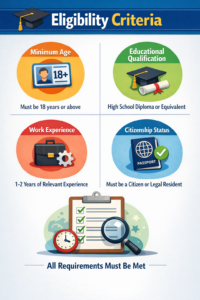
Eligibility Criteria
The eligibility requirements may vary depending on the scheme, but some common criteria include:
- Age: Usually between 14 and 35 years
- Educational Qualification: ITI, diploma, degree, or even 10th/12th pass
- Indian citizenship
- Basic knowledge of the trade or field
Documents Required
To apply for apprenticeship schemes, you typically need:
- Aadhaar Card
- Educational certificates
- Bank account details
- Passport-size photographs
- Resume (optional but recommended)

Step-by-Step Application Process
Step 1: Choose the Right Scheme
Visit official portals such as:
Step 2: Register Online
Create an account by providing your personal and educational details.
Step 3: Complete Profile
Fill in all required information and upload documents.
Step 4: Search for Opportunities
Browse available apprenticeship openings based on your skills and interests.
Step 5: Apply
Submit applications to employers directly through the portal.
Step 6: Attend Interview/Selection
Some employers may conduct interviews or tests.
Step 7: Start Training
Once selected, begin your apprenticeship training.

Stipend and Duration
- Stipend: Usually ranges from ₹5,000 to ₹15,000 per month depending on the role and qualification
- Duration: Typically 6 months to 2 years
Challenges in Apprenticeship Schemes
While these schemes are beneficial, there are some challenges:
- Lack of awareness among students
- Limited opportunities in rural areas
- Low stipend in some sectors
- Mismatch between skills and job roles

Tips to Get Selected Easily
- Keep your resume updated
- Apply to multiple opportunities
- Improve communication skills
- Learn basic technical skills before applying
- Stay active on official portals
Future of Apprenticeship in India
The future of apprenticeship schemes looks promising as the government continues to promote skill development. With initiatives like Digital India and Make in India, the demand for skilled workers is increasing.
More companies are expected to participate in apprenticeship programs, leading to better opportunities for youth.
Conclusion
Government apprenticeship schemes are an excellent pathway for students and job seekers to gain practical experience and improve their employability. Whether you are a fresher, ITI graduate, or engineering student, these programs can help you build a strong career foundation.
By understanding the available schemes, eligibility criteria, and application process, you can take full advantage of these opportunities and move closer to a successful career.