
Digital India Initiatives Transforming India in 2025
Introduction
In 2015, India embarked on an ambitious journey with the launch of the Digital India programme, aiming to transform the country into a digitally empowered society and knowledge economy. A decade later, by 2025, Digital India has evolved from a vision into a lived reality for millions. From villages accessing government services online to startups leveraging artificial intelligence, digital initiatives have reshaped governance, education, healthcare, finance, and daily life.
Digital India in 2025 is no longer just about internet access or digitisation of records; it is about digital inclusion, empowerment, transparency, and innovation. This transformation has been driven by a combination of policy reforms, technological advancements, public–private partnerships, and citizen participation. As India positions itself as one of the world’s fastest-growing digital economies, the impact of these initiatives is both deep and far-reaching.
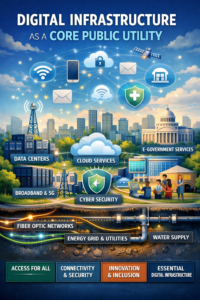
1. Digital Infrastructure as a Core Public Utility
One of the strongest pillars of Digital India is the creation of digital infrastructure as a public good.
Broadband and Connectivity Expansion
By 2025, initiatives such as BharatNet have significantly expanded high-speed broadband connectivity to rural and remote regions. Gram panchayats across the country are now connected through optical fibre, enabling:
Online delivery of government services
Telemedicine consultations
Digital classrooms
E-commerce access for rural entrepreneurs
Affordable mobile data, driven by competition and policy support, has ensured that India remains one of the cheapest data markets globally, encouraging widespread digital adoption.
5G Rollout and Emerging Technologies
The nationwide rollout of 5G has transformed sectors like manufacturing, healthcare, logistics, and agriculture. Smart factories, real-time crop monitoring, and AI-driven diagnostics are now practical realities rather than distant ambitions.
2. Digital Governance and Citizen-Centric Services
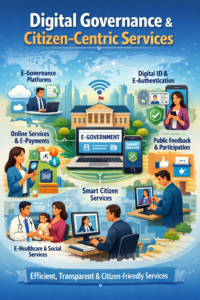
Digital India has fundamentally changed the way citizens interact with the government.
e-Governance Platforms
Platforms such as DigiLocker, UMANG, MyGov, and e-District services have streamlined governance by providing:
Paperless documentation
Faster service delivery
Reduced corruption through transparency
Direct citizen participation in policymaking
By 2025, most central and state government services are available online, reducing the need for physical visits and intermediaries.
Direct Benefit Transfer (DBT)
The DBT system, powered by Aadhaar and digital banking, has ensured that subsidies and welfare benefits reach beneficiaries directly. This has:
Eliminated leakages
Improved efficiency
Saved thousands of crores of public money
Schemes related to food security, pensions, scholarships, and healthcare now operate with greater accountability and speed.
3. Financial Inclusion and the Digital Payments Revolution
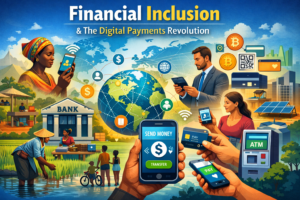
Perhaps the most visible success of Digital India is the transformation of India’s financial ecosystem.
UPI and Cashless Economy
The Unified Payments Interface (UPI) has revolutionised digital payments. By 2025:
Street vendors, farmers, small shopkeepers, and professionals accept digital payments
UPI transactions run into billions every month
India has become a global model for low-cost, real-time digital payments
The simplicity, security, and interoperability of UPI have pushed India closer to a less-cash economy.
Jan Dhan–Aadhaar–Mobile (JAM) Trinity
The JAM framework continues to promote financial inclusion by linking bank accounts, biometric identity, and mobile connectivity. This has enabled millions of previously unbanked citizens to access credit, insurance, pensions, and digital financial services.
4. Digital Education and Skill Development
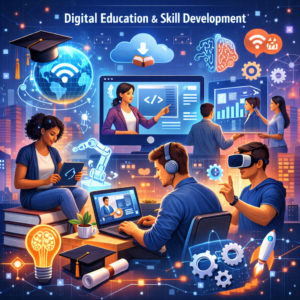
Education has undergone a massive digital transformation under Digital India.
Online Learning Platforms
Initiatives such as DIKSHA, SWAYAM, PM e-Vidya, and National Digital Education Architecture (NDEAR) have expanded access to quality education. By 2025:
Students from rural and urban areas can access the same learning resources
Teachers use digital tools for assessments and lesson planning
Multilingual content promotes inclusive learning
Skill India and Future-Ready Workforce
Digital platforms for skilling and reskilling have become critical in preparing youth for emerging sectors like AI, data science, cybersecurity, and renewable energy. Online certifications and virtual internships bridge the gap between education and employment.
5. Digital Healthcare and Telemedicine
Healthcare delivery in India has been transformed through digital innovation.
Ayushman Bharat Digital Mission (ABDM)
The ABDM has created a digital health ecosystem, including:
Unique health IDs for citizens
Digitised health records
Seamless data sharing between hospitals (with consent)
This has improved diagnosis, reduced duplication of tests, and enhanced patient care.
Telemedicine and e-Health Services
Platforms like e-Sanjeevani have made teleconsultations common, especially in rural and underserved areas. By 2025, digital healthcare ensures:
Access to specialists without long travel
Cost-effective treatment
Timely medical advice during emergencies

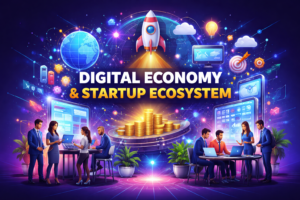
6. Digital Economy and Startup Ecosystem
Digital India has played a crucial role in nurturing innovation and entrepreneurship.
Startup India and Digital Platforms
India has emerged as one of the world’s leading startup ecosystems. Digital infrastructure, online compliance systems, and access to digital markets have enabled startups to scale rapidly.
Sectors witnessing rapid growth include:
Fintech
Edtech
Healthtech
Agritech
E-commerce and logistics
MSME Digitisation
Small and medium enterprises are increasingly adopting digital tools for accounting, marketing, supply chain management, and payments. Government initiatives supporting digital onboarding have improved productivity and competitiveness.
7. Digital Agriculture and Rural Transformation
Digital India’s impact is especially significant in agriculture and rural development.
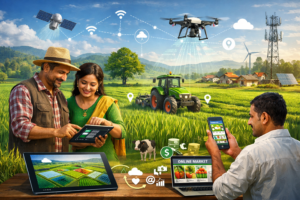
Agri-Tech and Data-Driven Farming
Digital platforms provide farmers with:
Weather forecasts
Crop advisory services
Soil health information
Market price transparency
By 2025, precision farming and digital marketplaces have helped improve farm incomes and reduce exploitation by middlemen.
Rural Entrepreneurship
E-commerce, digital payments, and online training have enabled rural youth and women entrepreneurs to access national and global markets, contributing to inclusive growth.
8. Cybersecurity, Data Protection, and Digital Trust
As digital adoption increases, so does the need for security and trust.
Strengthening Cybersecurity
India has invested heavily in cybersecurity frameworks to protect critical infrastructure and citizen data. Awareness campaigns educate users about safe digital practices, reducing cyber fraud and misuse.
Data Protection and Privacy
With the introduction of stronger data protection laws and consent-based systems, Digital India in 2025 emphasises responsible data governance, balancing innovation with individual rights.

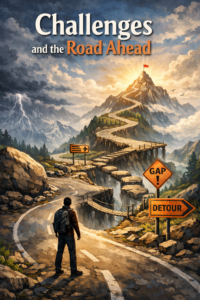
9. Challenges and the Road Ahead
Despite remarkable progress, challenges remain:
Digital literacy gaps among certain populations
Cyber threats and misinformation
Unequal access to advanced technologies
However, continuous policy reforms, investment in digital education, and inclusive design principles are addressing these concerns.
Conclusion
By 2025, Digital India has evolved into a transformative force, reshaping how India governs, learns, heals, transacts, and innovates. What began as a technology-driven initiative has matured into a people-centric movement focused on inclusion, empowerment, and sustainability.
Digital India is not merely about connectivity or apps—it is about bridging divides, unlocking opportunities, and strengthening democracy. As India moves toward its vision of becoming a developed nation, Digital India will remain a cornerstone of progress, ensuring that growth is not only fast but also fair and inclusive.
தாங்கள் அனைவரும் ராயல் வின் இணையதளத்தைப் பயன்படுத்திப் பாருங்கள். ரொம்ப சிறப்பாக உள்ளது. நிறைய விளையாட்டுகள் உள்ளது
Yo, been hearing a lot about Jilibet Donalyn! Gotta check it out. Seems like where all the action’s at. Check it out: jilibet donalyn