How to Apply for a Free House Under Government Schemes (Complete Guide)
Owning a house is a dream for millions of families, especially those from economically weaker sections. To make this dream a reality, the Government of India has launched several housing schemes that provide financial assistance or even free housing to eligible citizens. These schemes aim to ensure that every family has access to safe and affordable shelter.
If you are wondering how to apply for a free house under a government scheme, this guide will walk you through everything — from eligibility and documents to the application process and tips for approval.
Want to know about Government Schemes for Women Empowerment in 2025
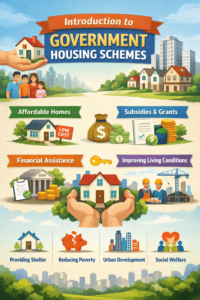
Introduction to Government Housing Schemes
The Government of India has introduced various housing initiatives over the years to address homelessness and poor living conditions. One of the most popular schemes is the Pradhan Mantri Awas Yojana (PMAY), which aims to provide “Housing for All.”
There are two main components of PMAY:
- PMAY-G (Gramin) – For rural areas
- PMAY-U (Urban) – For urban areas
Apart from PMAY, many state governments also run their own housing schemes to support low-income families.
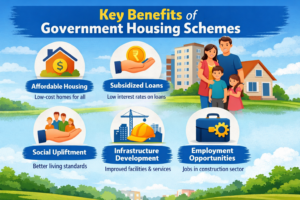
Key Benefits of Government Housing Schemes
Government housing schemes offer several benefits that make them highly attractive:
1. Free or Subsidized Housing
Eligible beneficiaries may receive a house completely free or with heavy subsidies.
2. Financial Assistance
The government provides financial aid directly to beneficiaries to construct or purchase a home.
3. Interest Subsidy
Under PMAY, beneficiaries can get interest subsidies on home loans.
4. Basic Amenities
Houses provided under these schemes often include:
- Electricity connection
- Drinking water
- Toilets
- LPG connections
5. Women Empowerment
In many schemes, the house ownership is given in the name of women or jointly with a spouse.
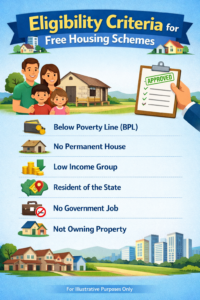
Eligibility Criteria for Free Housing Schemes
To apply for a free house under government schemes, you must meet certain eligibility conditions. While these may vary slightly across schemes, the general criteria include:
1. Income Category
Applicants should belong to one of the following:
- Economically Weaker Section (EWS)
- Low Income Group (LIG)
2. No Existing Pucca House
The applicant or any family member should not own a permanent house anywhere in India.
3. Indian Citizenship
The applicant must be a citizen of India.
4. Priority Categories
Preference is often given to:
- Widows
- Disabled individuals
- Senior citizens
- SC/ST communities
- BPL families
5. Aadhaar Linked
Aadhaar card is mandatory for identification and verification.
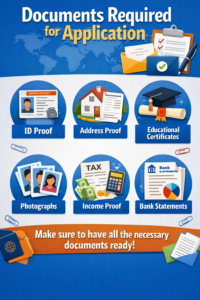
Documents Required for Application
Before applying, ensure you have the following documents ready:
- Aadhaar Card
- Voter ID or any ID proof
- Income Certificate
- Caste Certificate (if applicable)
- Bank Account Details
- Address Proof
- Passport-size Photographs
- Mobile Number (linked with Aadhaar)
Having complete and correct documents will help avoid delays or rejection.
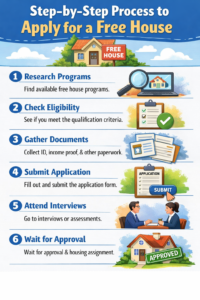
Step-by-Step Process to Apply for a Free House
The application process differs slightly for rural and urban areas, but here is a general step-by-step guide:
Step 1: Check Eligibility
Visit the official website of the scheme (like PMAY) and verify whether you meet the eligibility criteria.
Step 2: Choose the Right Scheme
Depending on your location:
- Rural residents → Apply under PMAY-G
- Urban residents → Apply under PMAY-U
Step 3: Online Application Process
You can apply online through the official PMAY website:
- Visit the official PMAY portal
- Click on “Citizen Assessment”
- Select your category (Slum Dwellers / Other 3 Components)
- Enter your Aadhaar number
- Fill in personal, income, and housing details
- Submit the application
After submission, you will receive an application number for tracking.
Step 4: Offline Application Process
If you are not comfortable with online applications, you can apply offline:
- Visit the nearest Common Service Centre (CSC)
- Go to your local Panchayat office or Municipality
- Fill out the application form
- Submit documents
Officials will help you complete the process.
Step 5: Verification Process
After submission:
- Authorities verify your details
- Field inspection may be conducted
- Documents are cross-checked
Step 6: Approval and Sanction
Once verified:
- Your name is added to the beneficiary list
- Funds are sanctioned in stages
Step 7: Construction or Allotment
Depending on the scheme:
- You may receive funds to build your house
- Or you may be allotted a ready-built house
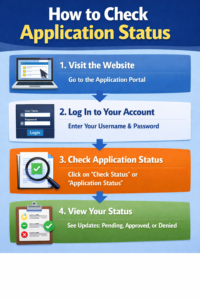
How to Check Application Status
You can easily track your application status online:
- Visit the official PMAY website
- Click on “Track Your Assessment Status”
- Enter your application number or Aadhaar details
- View your status
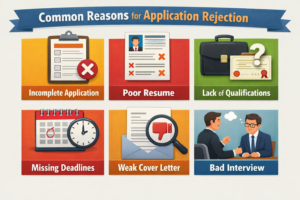
Common Reasons for Application Rejection
Many applications get rejected due to avoidable mistakes. Here are some common reasons:
- Incorrect or incomplete information
- Missing documents
- Already owning a pucca house
- Income exceeding eligibility limits
- Aadhaar not linked
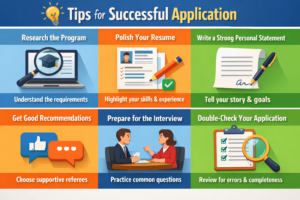
Tips for Successful Application
To increase your chances of approval, keep these tips in mind:
- Provide accurate information
- Double-check all documents
- Ensure Aadhaar is linked with your mobile number
- Apply through official channels only
- Keep track of updates regularly
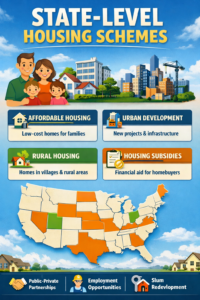
State-Level Housing Schemes
Apart from central schemes, many states offer additional benefits. Examples include:
- Telangana – 2BHK Housing Scheme
- Andhra Pradesh – Pedalandariki Illu
- Tamil Nadu – Green Housing Scheme
- Maharashtra – Ramai Awas Yojana
Check your state government website for more details.
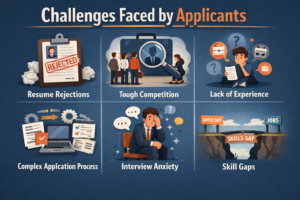
Challenges Faced by Applicants
While these schemes are beneficial, applicants may face some challenges:
- Lack of awareness
- Delays in approval
- Technical issues in online application
- Middlemen or fraud
To avoid fraud, always apply through official portals or authorized centers.
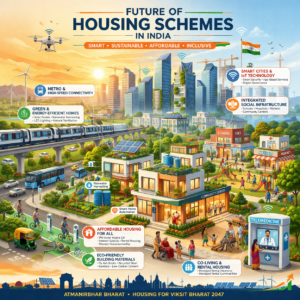
Future of Housing Schemes in India
The government continues to expand housing programs with improved technology and transparency. With digital tracking, direct benefit transfer (DBT), and Aadhaar verification, the process is becoming more efficient and corruption-free.
The goal of “Housing for All” is steadily progressing, bringing hope to millions of families.
Conclusion
Applying for a free house under a government scheme is a life-changing opportunity for many families. With proper understanding, correct documentation, and timely application, you can benefit from these initiatives.
Whether you live in a rural or urban area, government housing schemes are designed to support you in building a secure and dignified life. Make sure to stay informed, follow the correct procedure, and take advantage of the benefits available.